
Let’s be honest, most link-building campaigns fail before the link is even placed.
Why? Because the site wasn’t worth linking from in the first place.
Whether it’s low-quality content, irrelevant traffic, or a link farm, some websites just aren’t worth your time (or risk).
At Growffic, we offer link-building services and have built thousands of backlinks for our clients. Through this process, we’ve identified clear patterns that separate quality sources from the ones you should avoid at all costs.
In this post, you’ll discover 12 types of websites to avoid, even if they have high DR or offer you a free link.
Let’s dive in.
1. Irrelevant Niche Websites
Relevance is one of the main factors in link-building.
Backlinks from sites that don’t align with your niche fail to add contextual value to your target page.
For example, if you’re looking for sites for a client in the women’s fashion industry, a website focused on a general niche with too much content on IT and Technology wouldn’t provide significant value. Instead, it’s important that you find a website in a fashion niche that can link back to your client’s website.
At times, a site’s design may give the impression that it belongs to the same niche. However, upon analyzing its traffic and metrics, you might find that the majority of its traffic comes from unrelated pages.
Here is one such example:
The website Yooooga seems to focus on yoga and health, but the majority of its traffic is coming to pages that are unrelated to the niche.
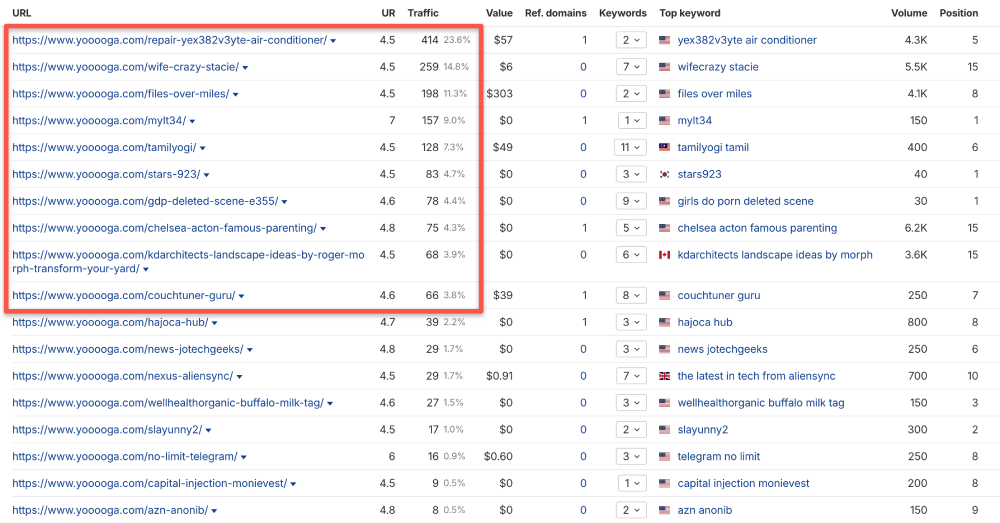
As shown in the following screenshot, the top 10 pages receiving traffic are not related to the yoga and health niche.
To assess the website’s relevance, always check the pages and keywords it ranks for to get a clearer picture.
2. Red Flags: Keyword Stuffing, Pricing, & Link Types on ‘Write for Us’ Pages
Many websites explicitly mention the term “dofollow” or provide “pricing details” for backlinks. It’s a clear red flag that they are selling links.
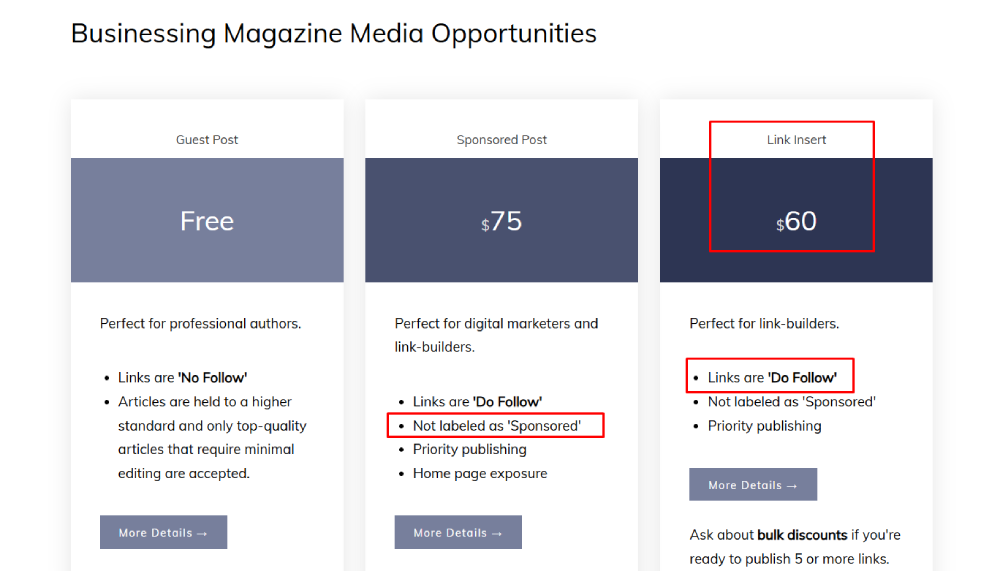
Also, many websites engage in keyword stuffing on their “Write for Us” pages to manipulate search results, as seen in the example below, where such phrases are commonly used:
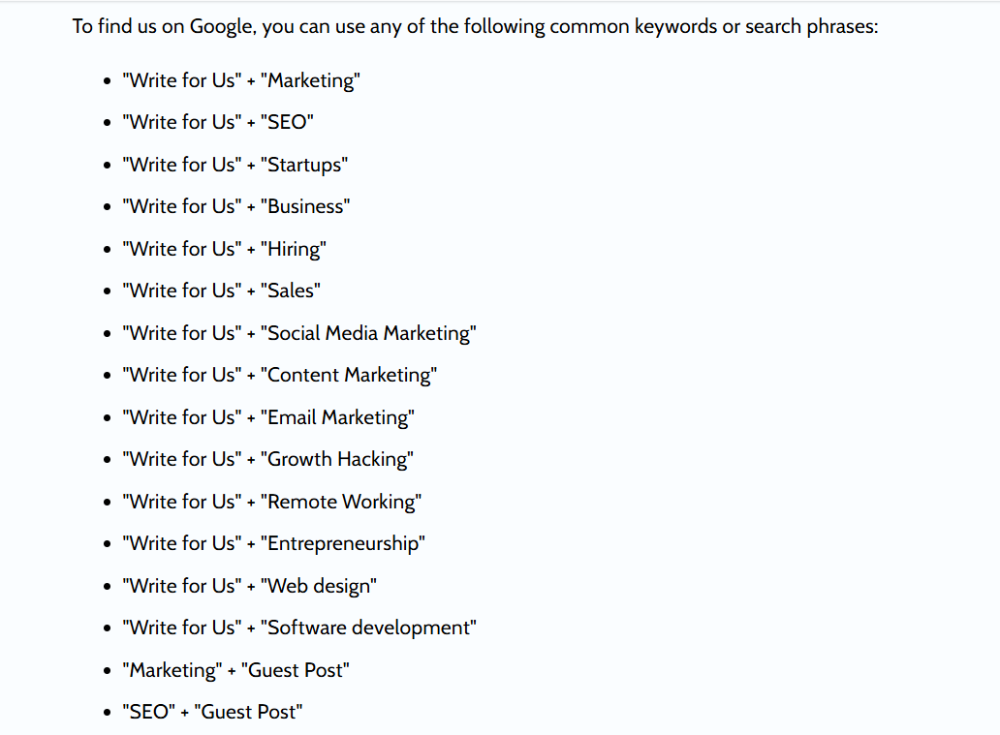
Contributing to such sites may not yield meaningful SEO value and can dilute your link profile. Always review the site’s content quality and intentions before submitting.
3. Websites with Zero Organic Traffic Value
Ahrefs shows not only organic traffic numbers but also the estimated organic traffic value, which reflects how much that traffic would cost through paid ads. When a website shows $0 traffic value, it usually means the site ranks for keywords with no commercial intent or real business relevance.
Even if a site receives some organic traffic, a zero-dollar value indicates that Google does not consider those rankings valuable. This often happens with websites targeting vague informational queries, auto-generated content, or low-quality keywords that advertisers are not bidding on.
Example:
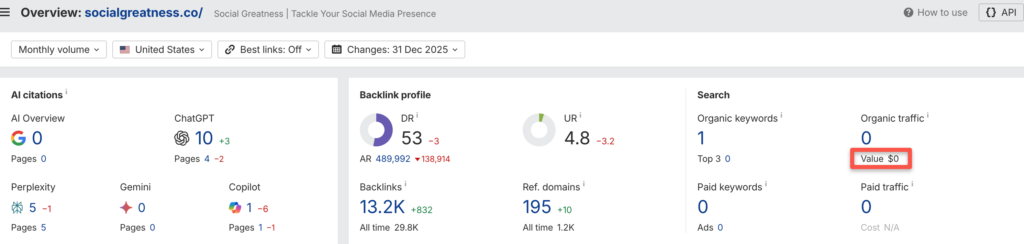
For example, a website may receive over 1,000 monthly visits but still show $0 traffic value in Ahrefs. In contrast, a smaller site with fewer visits but a traffic value of several hundred dollars typically ranks for higher-intent keywords and carries stronger link equity.
Websites with zero organic traffic value rarely provide meaningful SEO benefits and should generally be avoided for backlink building.
4. Websites with Zero LLM Citations
Ahrefs now tracks whether websites are cited by large language models such as Google AI Overviews, ChatGPT, Perplexity, Gemini, and Copilot. These citations signal that a site is recognized as a trusted source by AI-driven search systems.
When a website has zero LLM citations, it usually means the content lacks authority, originality, or trust signals. Such sites are often generic blogs, mass guest-posting platforms, or content farms covering multiple unrelated topics.
Example:
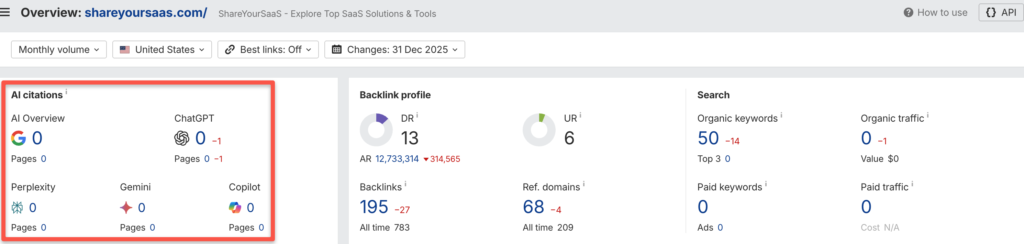
Even if these websites show reasonable traffic or domain metrics, their absence from AI citations suggests weak topical authority. In contrast, sites that appear in LLM citations are more likely to be referenced, trusted, and surfaced in modern search results.
As AI continues to shape search behavior, backlinks from websites with no LLM recognition are likely to lose value over time and are best avoided.
5. Websites With No Branded Search Traffic
Branded search traffic refers to users searching for a website or brand name directly. In Ahrefs, this data appears under the organic keywords report, where branded keywords and their associated traffic can be identified.
When a website has no branded keyword traffic, it indicates that users do not recognize or intentionally seek out the brand. This often suggests the site has no loyal audience, brand recall, or real authority.
Example:
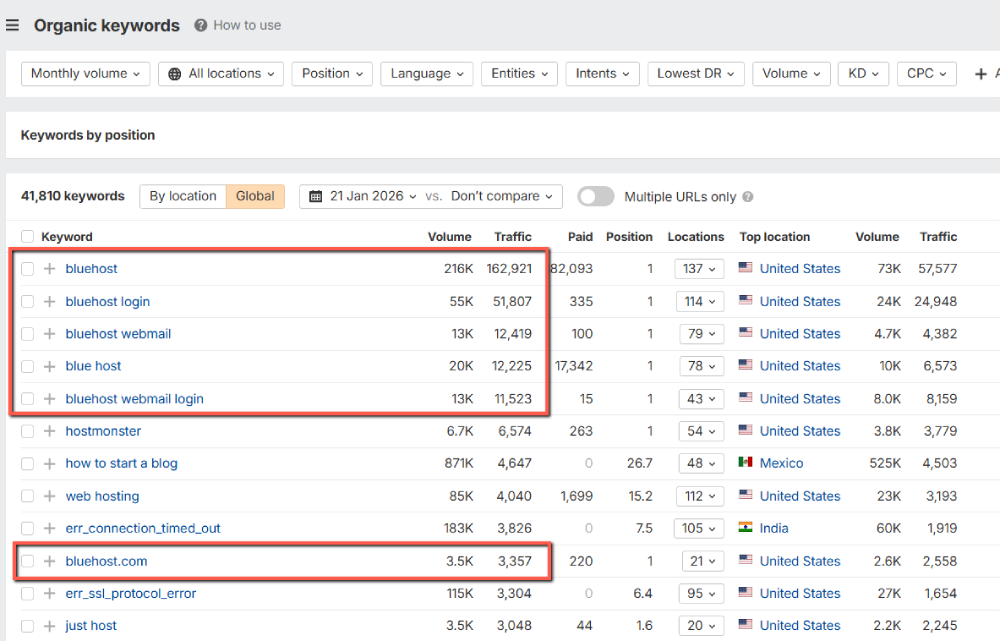
Many such websites exist solely for SEO purposes and may rank for thousands of generic keywords without building any brand presence. These are commonly guest-post networks or disposable blogs created to sell links.
In contrast, authoritative websites almost always generate branded searches because users trust and remember them. A site with no branded traffic is typically a weak and unreliable source for backlinks.
6. Websites with Too Many Outgoing Links
When a website links out to too many other sites, the value of each backlink gets diluted. In many cases, these websites are involved in selling links, which search engines don’t trust.
One way to spot such sites is to compare the number of linked domains to the number of referring domains. If the linked domains are significantly higher, it’s usually a red flag and a good reason to avoid them.
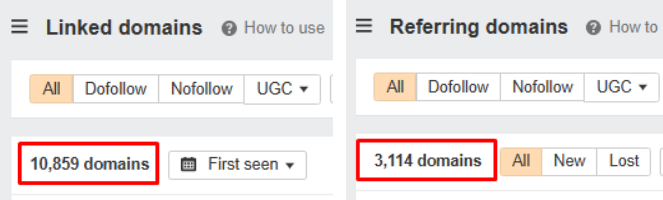
Always be cautious with sites that have a high number of outgoing links. Focus on those websites that link out in moderation and seem selective about who they link to.
7. Websites with Low Traffic but High Referring Domains
If a website has a high number of referring domains yet receives minimal traffic, it raises suspicion.

Normally, high-quality links from many websites should result in more traffic. So, when the link count is high, but the traffic is low, it might hint that those links were built inorganically, possibly through manipulative SEO tactics rather than earned naturally.
8. Heavy Ads Blogging Sites with Low Quality Content
We often stumble upon those sites that are cluttered with too many advertisements and pop-ups, and have the lowest quality content.
Websites with bad design, pixelated photos, and an imbalance in font sizes are indications that the website owner doesn’t care about providing a proper user experience for readers. They only have a quick-profit mindset.
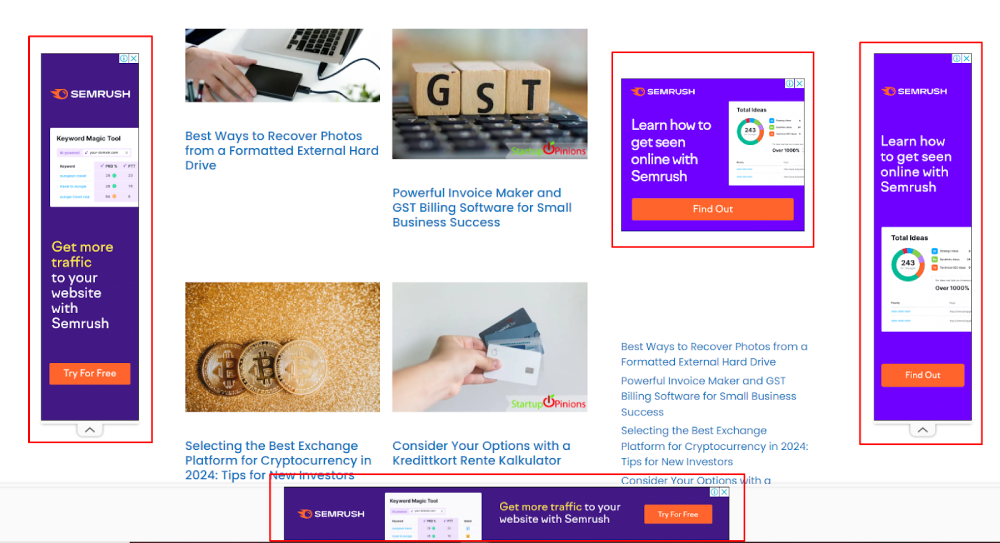
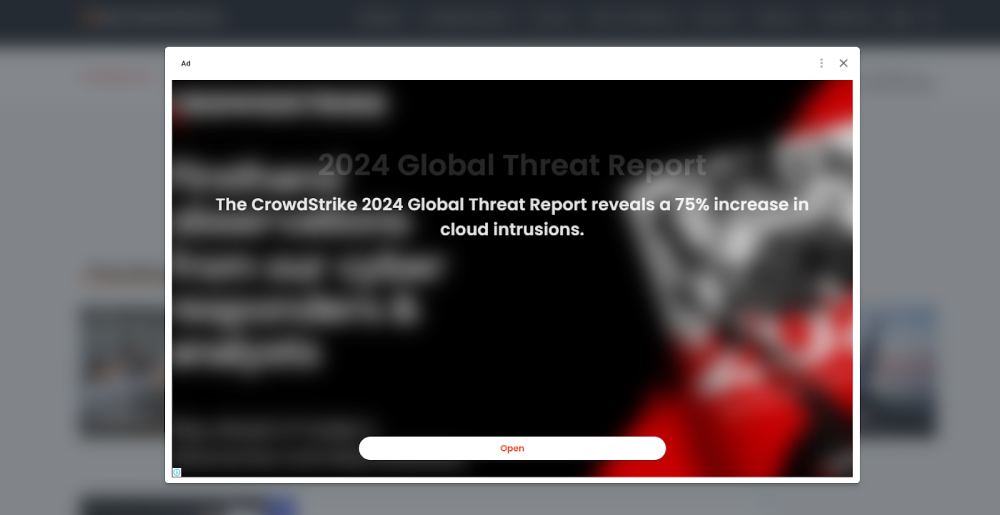
Often, such sites reflect the webmaster’s lazy approach to user experience optimization and, hence, may indicate that the site is not performing well.
Exception: There are good sites that may have ads, but they will have high-quality content, so they should be considered. We do understand that for Publishers, “Ads” is the only way to generate revenue, and hence they may end up optimising for ads.
9. Low Ratio of Organic Traffic to Number of Index Pages
A low ratio of organic traffic to the number of indexed pages on a website suggests that a large portion of a website’s content may not be attracting search engine traffic.
Example:
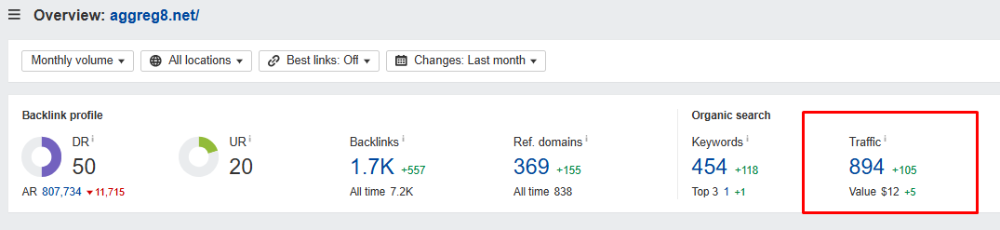

As shown in the example above, the website has 985 indexed pages but only 894 Organic Traffic, according to Ahrefs. It indicates a 1:1 Ratio.
This means, on average, each page brings in just 1 visit per month. That’s really low for a healthy site.
A strong site usually has fewer but higher-performing pages. For example, a website with 200 pages receiving 20,000 visits averages 100 visits per page.
If a website has thousands of pages but hardly any visitors, it means most of the content is useless. Google likely doesn’t trust the site, so getting a link from here won’t help SEO at all.
10. Non-Indexed Websites
Websites that are not indexed by search engines do not appear in search results. These sites have often been penalized or lack the necessary quality signals. To verify if the site is indexed or not, you can use the search operator “site:” in Google along with the domain name. Below is an example of a non-indexed website:
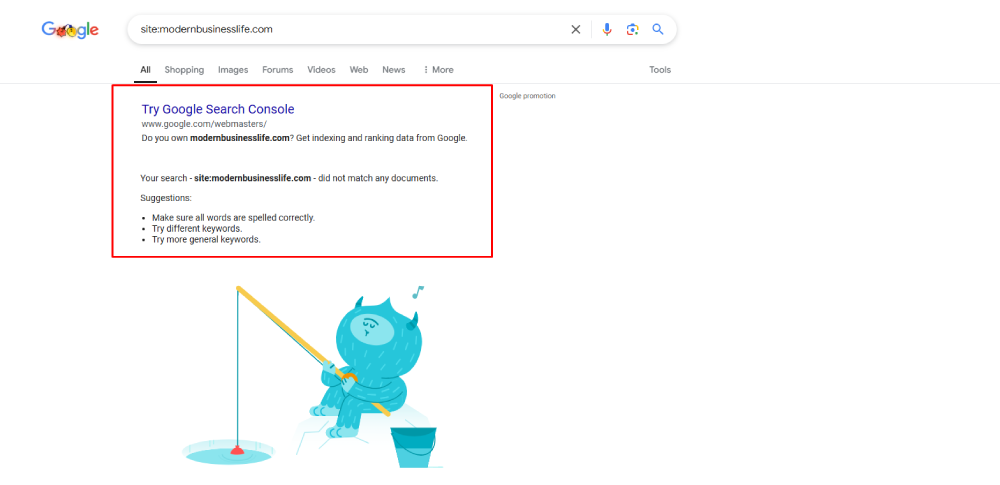
Building backlinks from non-indexed sites provides no SEO benefits and may even harm your site’s credibility. Always check if the site is indexed before considering it for backlinks.
11. Websites with Security Issues
It’s 2025, and we still need to mention that websites with malware, security vulnerabilities, or lacking HTTPS encryption pose a risk to both users and your SEO. Linking from such sites can harm your reputation and result in penalties from search engines.

Google Chrome always warns us before we open any site that may contain malware or security vulnerabilities. Below is the screenshot of a warning you might have seen many times:
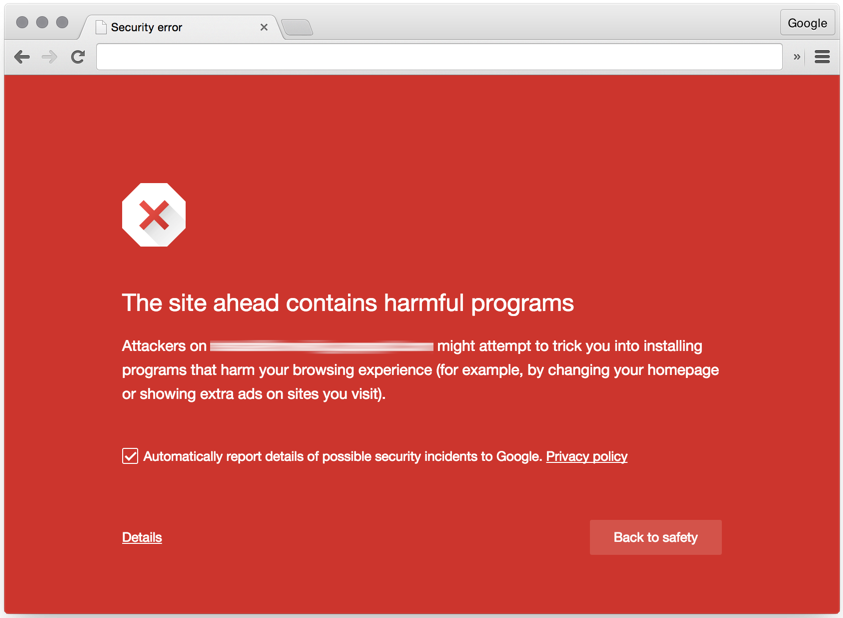
Always verify that a site is secure, free from malware, and uses HTTPS encryption before considering it for backlinks.
12. Websites with Adult and Gambling Content
Adult or gambling-related sites can negatively affect your website’s reputation and SEO unless they are directly relevant to your niche. These niches are often associated with risky, non-compliant practices.
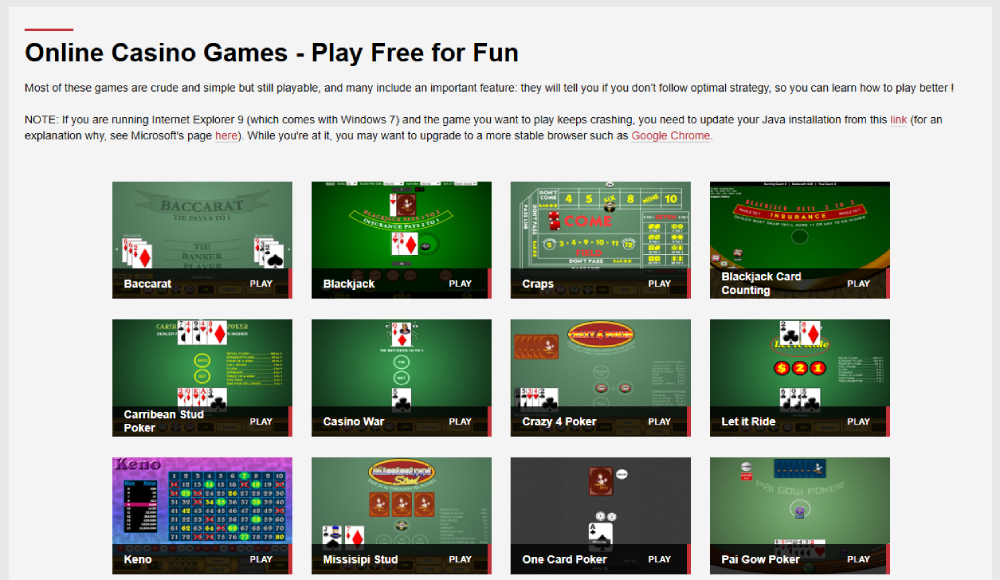
Linking to such sites can hurt your site’s credibility and attract penalties from search engines. Always make sure the websites you link to align with your brand and industry standards.
Conclusion
Building backlinks isn’t as easy as it used to be. With Google now focusing more on the quality of links rather than the quantity, it’s advisable to be selective about where you build your backlinks.
Following the guide shared above, you’ll be on the right track to developing a more trustworthy backlink profile. It’s all about quality over quantity; focusing on the right sites will bring real value to your SEO efforts in the long run.
